

De Novo design
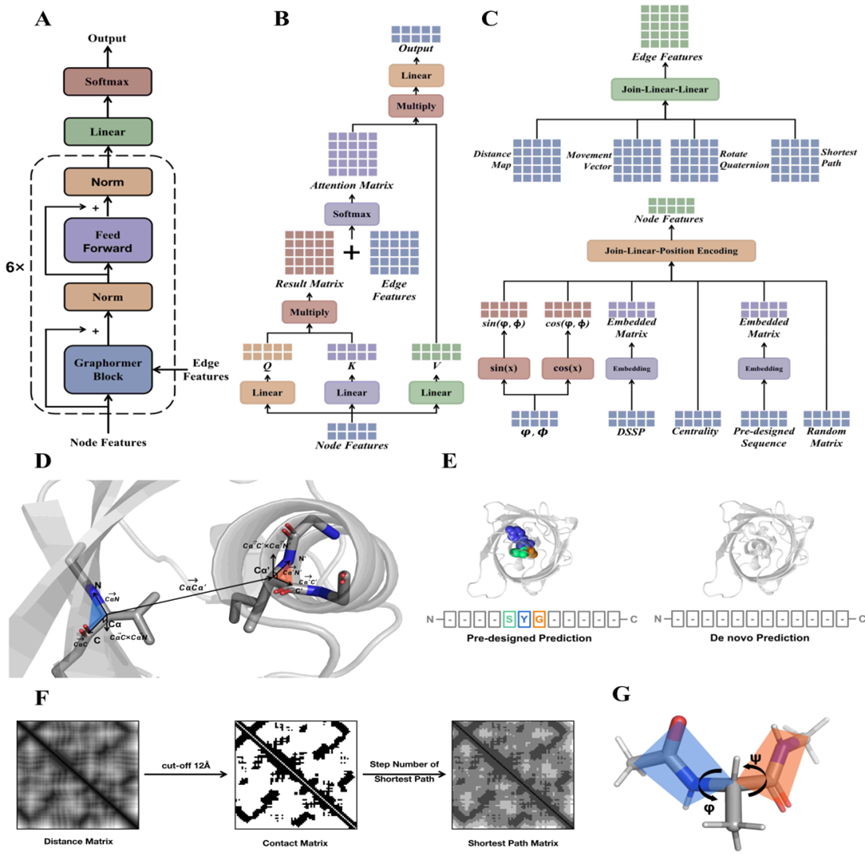
Protein design is a fundamental aspect of protein engineering with wide applications, such as in the development of antibodies, peptides, and enzymes. Protein design involves three steps: identifying hotspot binding sites, generating the protein backbone, and designing the immobilized backbone sequence.
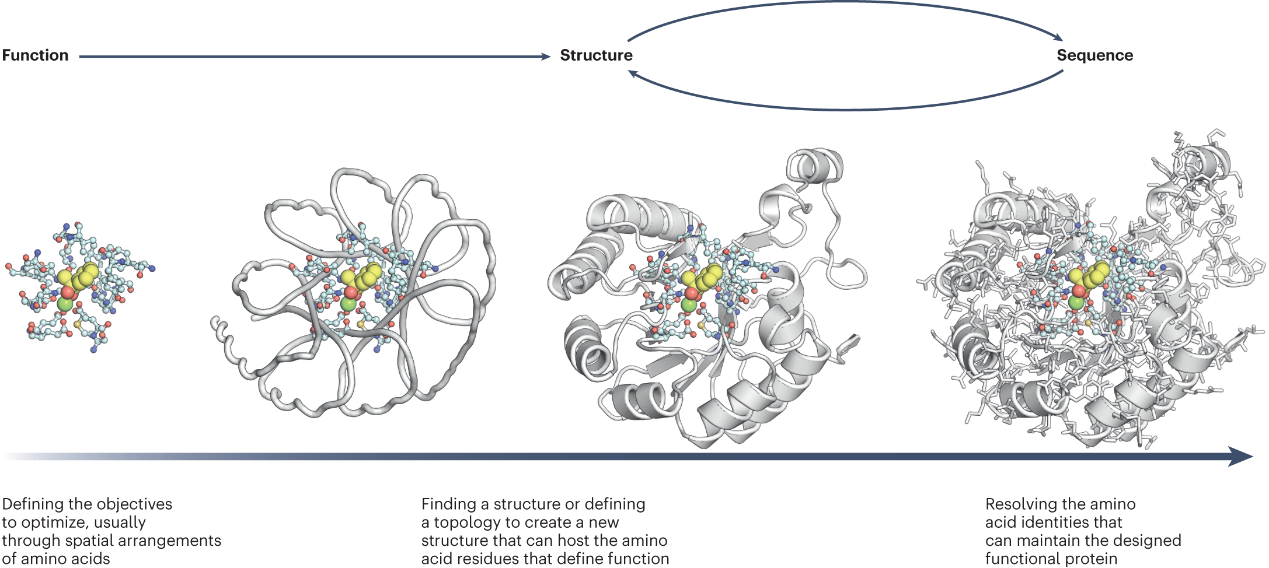
Figure 1. Workflow of protein design: specifying desired function, generating protein backbone, and designing backbone sequence.
Hotspot binding site search/prediction
Identifying these hotspots is crucial for understanding protein function and designing proteins. Intelligent Medicine Original uses ScanNet to detect protein-protein and protein-antibody binding sites from 3D structures.
Protein backbone formation
Methods of protein backbone formation
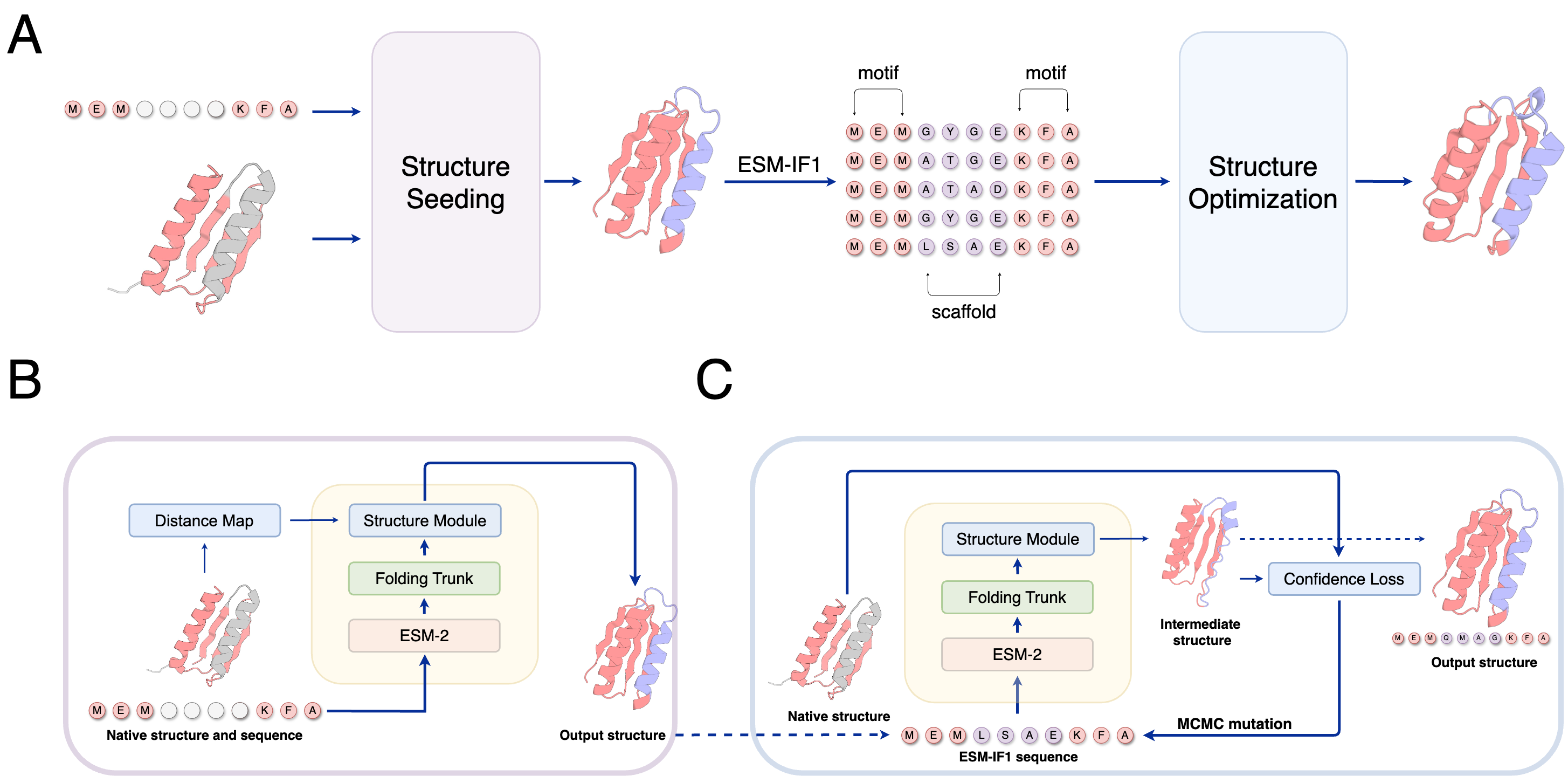
Protein backbone generation can be categorized into two distinct types: unconditional generation and conditional generation (based on motif functional sites). Intelligent Medicine Original developed the GPDL model using a protein language model as supervision for accurate and efficient functional motif design. GPDL achieved the highest success rate in functional motif design tasks across 24 general cases.

Figure 2. Framework of GPDL
Rigorous evaluation of protein backbone generation methods
Intelligent Medicine Original has developed a unified framework for evaluating the performance of main chain backbone generation methods. This framework systematically evaluates unconditional generation and conditional generation based on functional motifs. Table 1 shows the performance and applicability of representative protein main chain backbone generation methods.
Unconditional generation
Intelligent Medicine Original Innovations evaluated unconditional generative models in terms of designability, diversity, novelty, efficiency, and structural characteristics. FrameFlow and Genie methods performed best in generating short proteins, while RFdiffusion method excelled in generating long proteins.
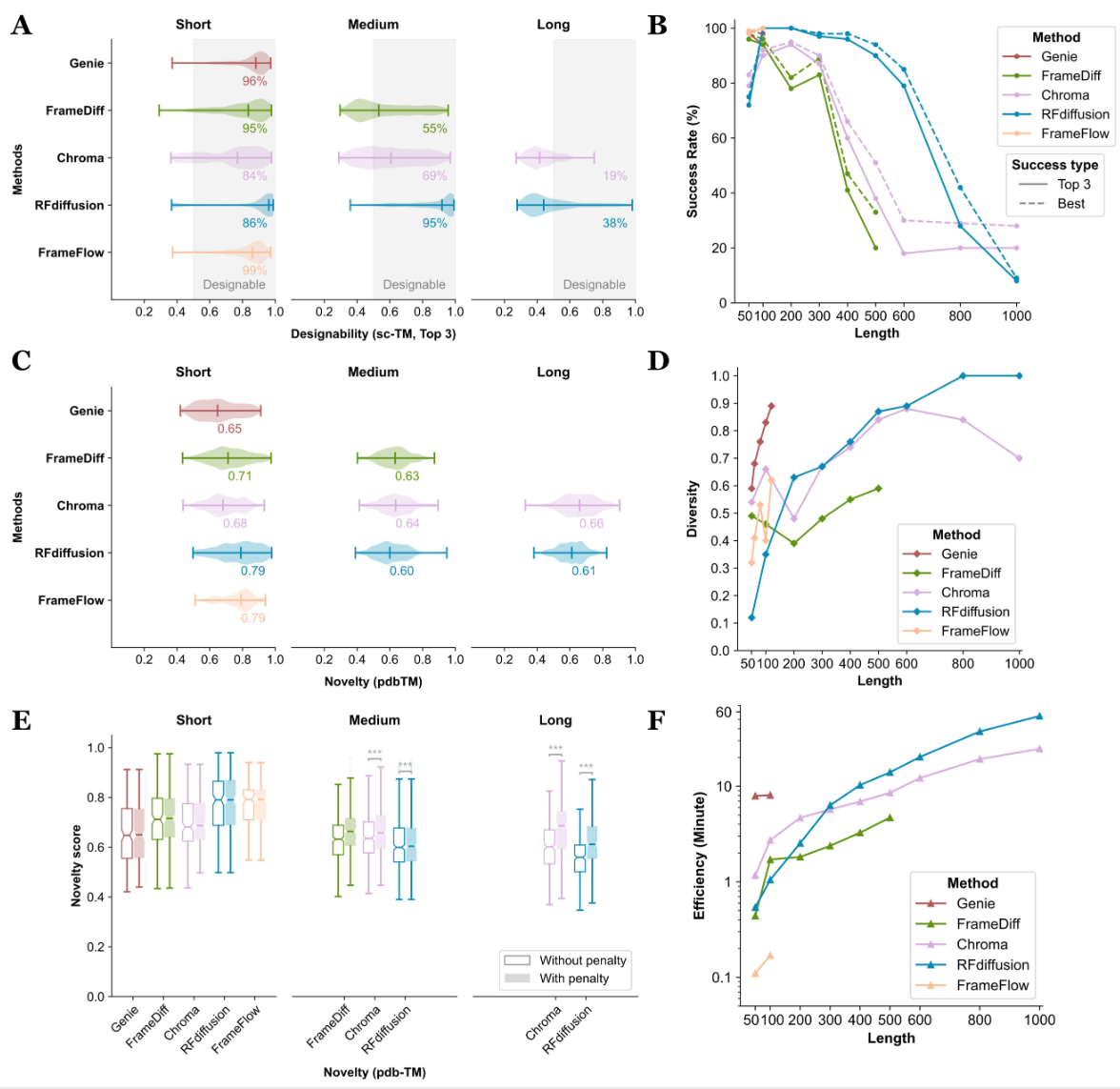
Figure 3. Evaluation results generated unconditionally
Design based on motif functional sites
For condition generation, Intelligent Medicine Original conducted comprehensive experiments across 24 common cases. GPDL demonstrated the best performance and the highest average success rate.
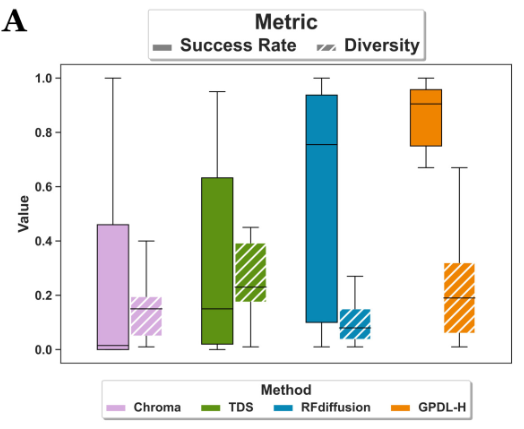
Figure 4. Overall distribution of success rate and diversity based on 24 cases.

 WeChat Customer Service