

Recently, Professor Chen Haifeng, co-founder of Intelligent Medicine Original(lMO)Medical Technology Company developed a novel and highly efficient protein sequence design method, GPD. Compared with the current state-of-the-art method proteinMPNN, this method exhibits significantly higher sequence diversity and a 2.2-fold faster generation speed, significantly enhancing the de novo design capability of industrial enzymes and protein drugs. The research results were published in the top journal of the Chinese Academy of Sciences, *Briefings in Bioinformatics*.

Protein design is central to almost all protein engineering problems because it enables the creation of proteins with entirely new biological functions and improves enzyme catalytic efficiency, among other things. A key issue in protein design is the design of protein sequences to fix the protein backbone, which aims to design new sequences that conform to a predetermined protein backbone structure. However, existing sequence design methods have several limitations, such as low sequence diversity and insufficient experimental validation of designed functional proteins, which severely hinder the design of functional proteins.
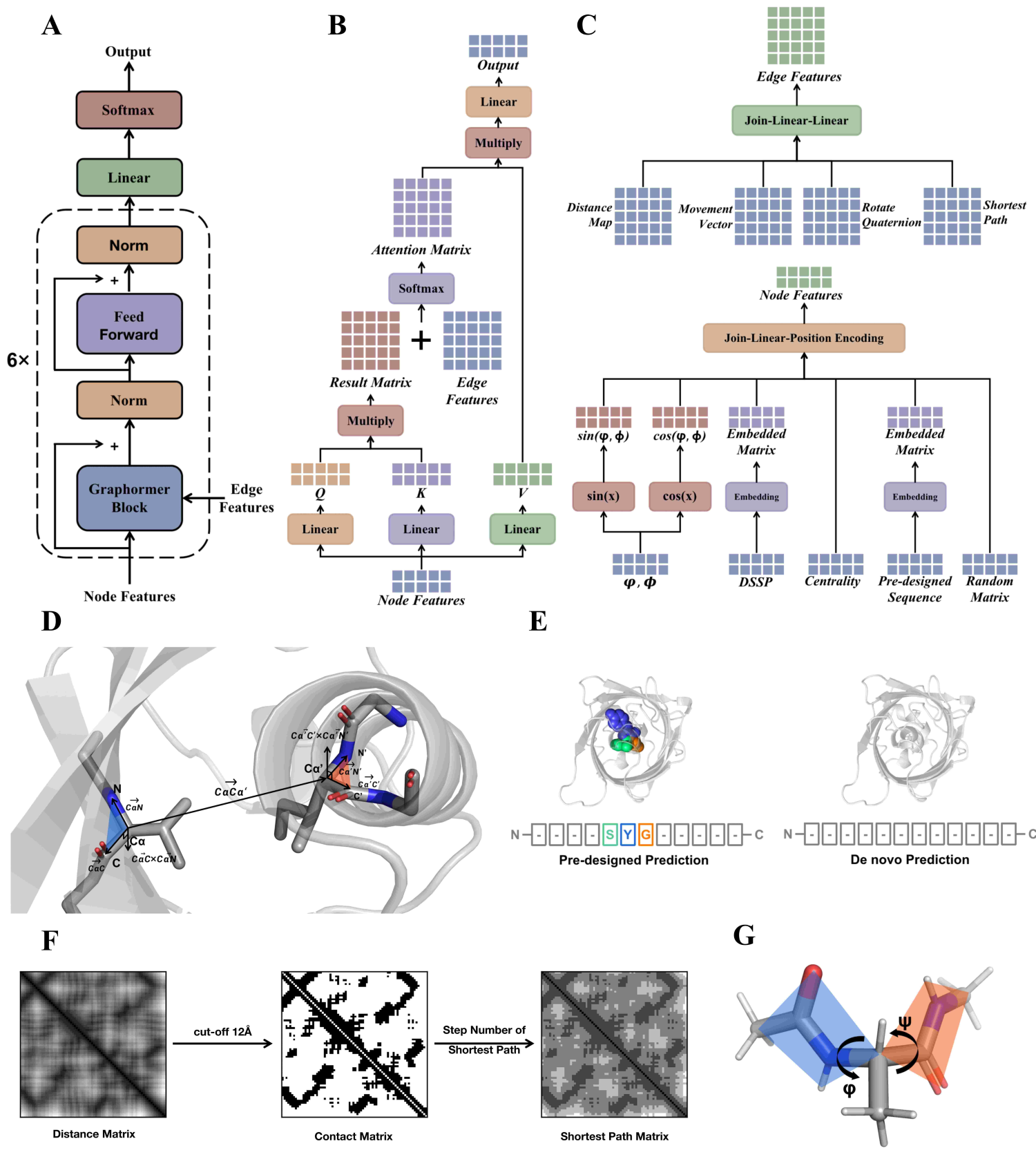
To overcome the aforementioned limitations, the team used Graphormer's protein design (GPD) model in this study. This model utilizes Transformer for graph-based 3D protein structure representation and incorporates Gaussian noise and sequence random masks to integrate node features, thereby enhancing the quality of sequence design.
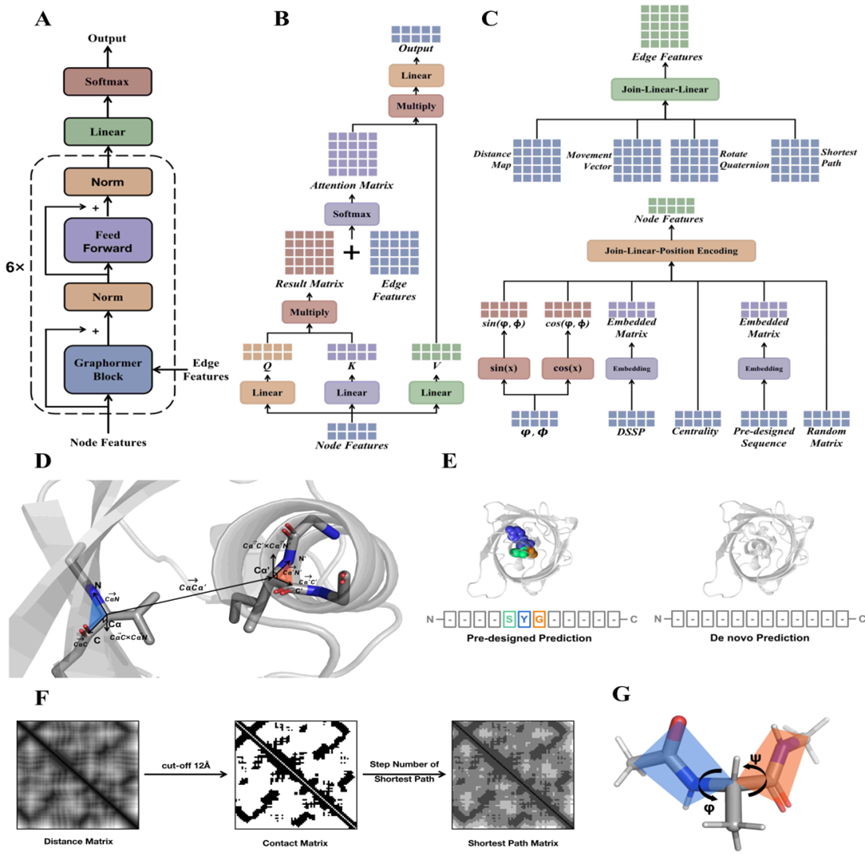
Figure 1. Model architecture and input features of GPD
Subsequently, the team evaluated the sequence design quality of GPD during the research process, finding that it could design and generate more rational protein sequences while maintaining high sequence diversity. Furthermore, most of the designed sequences could fold into the desired structures in the structure prediction model. GPD generally outperformed existing models in terms of sequence foldability, sequence homology, and sequence diversity.
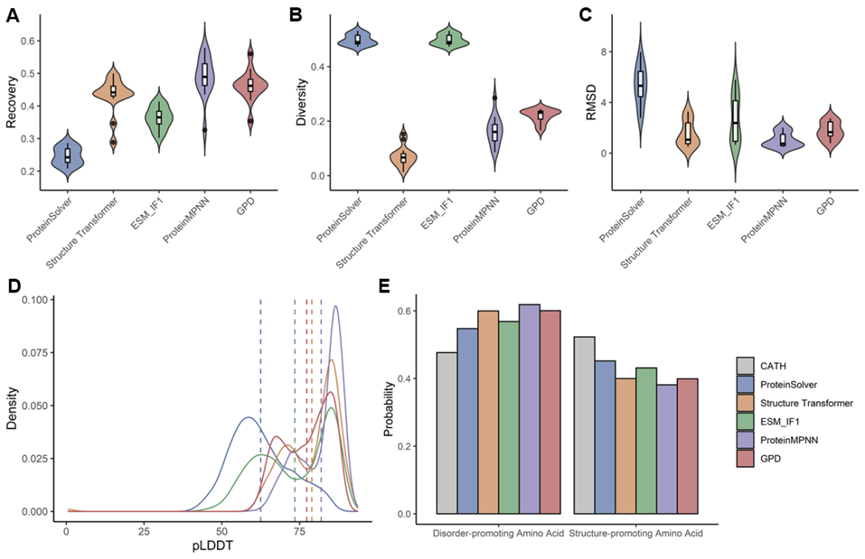
Figure 2. Sequence design quality assessment of GPD
Furthermore, in collaboration with Shanghai Jiao Tong University, Intelligent Medicine Original applied GPD to the redesign of Candida antarctic ester hydrolase (CALB), generating and screening nine artificially designed protein sequences. Compared to wild-type CalB, one of the designed sequences exhibited a 1.7-fold increase in catalytic enzyme activity. These experimental results further demonstrate the rationality of GPD design and its higher efficiency compared to previous rational design or directed evolution methods.
Meanwhile, enzyme activity assays on multiple substrates revealed that the sequences designed by GPD all exhibited high substrate specificity and strong substrate selectivity on p-nitrophenol acetates of different carbon chain lengths (C2-C16), which is of certain significance for the industrial application of CALB enzymes.
GPD, an original protein sequence design method developed by Intelligent Medicine Original, can be used for novel AI-driven design of industrial enzymes and protein drugs, laying a methodological foundation for the rapid development of new productivity. The company introduces advanced computational methods into the biopharmaceutical field, aiming to create an AI-enabled platform for protease modification and innovative drug design.



 WeChat Customer Service